Are you struggling with the complexities of managing a growing vendor portfolio? Imagine having the ability to oversee the entire vendor lifecycle in one centralized platform, simplifying processes and enhancing security.
With Bitsight Vendor Risk Management (VRM), you can achieve this and more. Designed for risk and security teams, VRM removes the headache of vendor management, streamlining everything from onboarding to offboarding. You’ll find yourself saving time and resources, making strategic decisions with ease, and feeling confident in your vendor security hygiene. But why stop there? Bitsight VRM offers automated invitations to build your third-party inventory, a single dashboard for document consolidation, and continuous monitoring to keep your vendors on track. The AI-powered insights from over 65,000 vendor profiles ensure you stay informed, while customized assessments mean you can tailor your approach based on your organization’s unique needs. Plus, with a high vendor acceptance rate and a proven return on investment, Bitsight VRM is a game-changer in vendor risk management. Ready to transform how you manage vendors? Check out Bitsight Vendor Risk Management here and take the first step towards a more efficient and secure vendor management process.
Credit: sprinto.com
Introduction To Vendor Risk Management
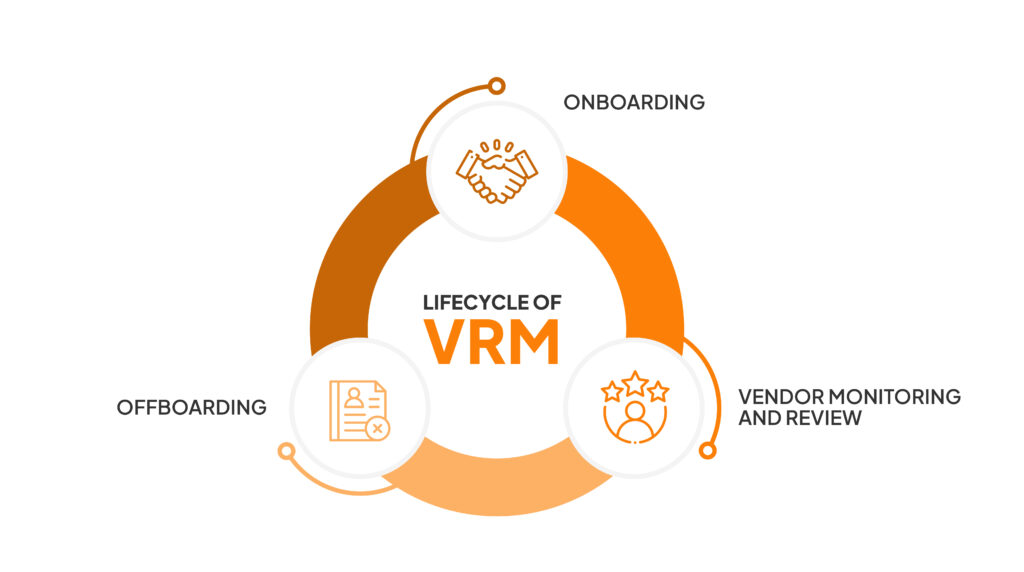
Vendor Risk Management (VRM) is a tool for managing vendors. It helps to manage the entire vendor lifecycle. This includes onboarding and offboarding. It keeps vendor data in one place. Risk and security teams use it to reduce risk.
VRM simplifies vendor management. It helps to handle many vendors easily. Teams can track vendor security. This makes work simple and safe. It helps to make better decisions. VRM saves time and effort. It is important for keeping data safe.
The purpose of VRM is to keep vendor interactions smooth. It helps in collecting vendor documents. Teams can monitor vendor activities continuously. VRM provides quick insights into vendor reports. It integrates with other systems for a smooth workflow. The scope of VRM covers all vendor management tasks.
For more details, visit Bitsight VRM.

Credit: thecyphere.com
Key Features Of Effective Vendor Risk Management
Risk assessment is vital in managing vendors. It helps identify potential threats. Vendors are categorized based on risk levels. This aids in focusing on the most critical ones. Bitsight VRM offers tools for efficient risk assessment. It simplifies the categorization process, making it manageable. Automated invitations help build a comprehensive vendor list. This ensures all vendors are accounted for. Keeping track of vendors becomes easier and more effective.
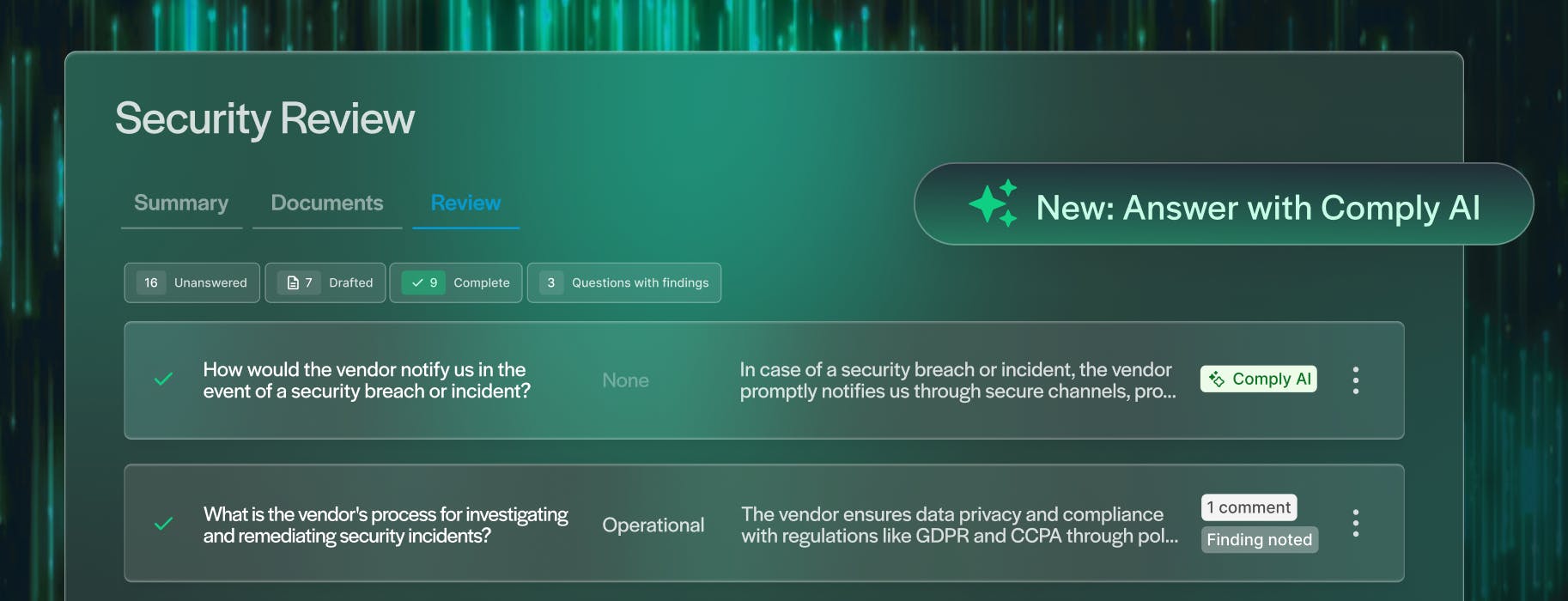
Continuous monitoring ensures vendors maintain security standards. It involves regular checks on vendor activities. Bitsight VRM provides ongoing security hygiene assessments. These assessments help identify risks promptly. Monitoring helps in quick response to potential threats. It improves overall security management. Customized assessments are tailored to fit specific needs. This ensures evaluations are relevant and targeted.
Effective communication is key in vendor management. Collaboration tools facilitate better interaction. They help in sharing important documents. Bitsight VRM consolidates documents in one dashboard. This makes it easy to access and review information. Tools enhance cooperation between teams. They ensure everyone is on the same page. Vendor acceptance rates improve with clear communication. It leads to smoother operations and better outcomes.
Pricing And Affordability Of Vrm Solutions
Bitsight Vendor Risk Management offers a streamlined approach. The platform simplifies the vendor lifecycle management. It provides automated invitations for building inventories. The dashboard consolidates vendor documents. This includes insurance and certifications. Continuous monitoring of vendor security hygiene is a key feature. SOC2 Instant Insights quickly summarize reports. The tool offers customized assessments. It aligns with risk tolerance levels. Data integration is seamless. It connects with existing systems. AI-powered insights enhance decision-making. Over 65,000 vendor profiles are analyzed.
Managing vendors efficiently saves time. Bitsight VRM reduces assessment time by 75%. The return on investment is significant. Organizations see a 3x ROI within six months. Vendor acceptance rates are high, reaching 90%. Strategic decision-making is improved. Workflow automation plays a crucial role. Data-driven evaluations guide choices. Time and resources are conserved effectively. Customer testimonials highlight resource savings. Pricing specifics are not detailed. Interested parties can request demos. Contact Bitsight for more information.
Pros And Cons Of Vendor Risk Management Systems
Vendor Risk Management (VRM) helps manage vendor risks easily. It makes vendor management simple and clear. With VRM, teams save time and work better. Automated Invitations build third-party lists fast. VRM keeps all vendor documents in one spot. This makes finding papers quick and easy. Continuous Monitoring checks vendor security all the time. This helps keep companies safe. AI-Powered Insights give smart ideas from many vendor profiles. This helps in making good choices. Customized Assessments let teams check vendors as needed. VRM also mixes well with other systems. This makes it work smoothly with what companies already use.
Some challenges arise with VRM systems. Integration issues can occur with existing systems. This might make it hard to use VRM fully. Customization limits might restrict how teams assess vendors. Data accuracy concerns may affect decisions. Not all vendors may update their info timely. Resource availability can be an issue for small teams. They might find VRM demanding to manage. Cost concerns are present if pricing is high. Small companies might struggle to afford VRM systems. Technical support might not always be prompt. This could delay solving issues. User training is needed to understand VRM tools well. Without it, teams may struggle to use VRM effectively.
Recommendations For Ideal Users Of Vrm
Ideal users of Vendor Risk Management include procurement teams and IT managers. They aim to ensure vendor compliance and secure sensitive data. Organizations with multiple vendors benefit from streamlined processes and risk mitigation strategies.
Industry-specific Applications Of Vrm
Healthcare, finance, and retail sectors benefit from Vendor Risk Management. These industries face unique security challenges. Bitsight VRM provides tailored solutions. Healthcare providers protect patient data effectively. Financial institutions manage compliance risks. Retailers safeguard customer information.
Best Practices For Maximizing Vrm Benefits
Use automated invitations to build vendor lists. Store vendor documents in one place. Monitor vendor security continuously. Customize assessments based on risk levels. Integrate VRM with existing systems. Leverage AI insights from vendor profiles.
Efficient vendor management saves time. Reduces resource use significantly. High vendor acceptance enhances cooperation. Strategic decision-making improves outcomes.
Credit: secureframe.com
Frequently Asked Questions
What Is Vendor Risk Management?
Vendor Risk Management (VRM) involves assessing and mitigating risks associated with third-party vendors. It ensures that vendors adhere to security and compliance standards. Effective VRM protects organizations from potential threats. It helps in maintaining operational continuity. By managing vendor risks, companies safeguard their assets and reputation.
Why Is Vrm Important For Businesses?
VRM is crucial for safeguarding sensitive data and ensuring compliance. It helps businesses identify potential vulnerabilities in their vendor network. Effective VRM reduces the risk of data breaches. It also ensures smooth business operations and regulatory compliance. Businesses can prevent financial and reputational damage through proper VRM practices.
How Do You Assess Vendor Risks?
Assess vendor risks by evaluating their security practices and compliance levels. Conduct thorough due diligence and risk assessments. Review their financial stability and performance history. Regular audits and monitoring are essential. Use standardized frameworks like ISO 27001 for consistent evaluations.
Effective assessment ensures vendors meet your security and compliance standards.
What Are Common Vrm Challenges?
Common VRM challenges include lack of visibility into vendor operations and inconsistent risk assessments. Managing a large number of vendors can be overwhelming. Ensuring continuous compliance and security monitoring is challenging. Limited resources and expertise can hinder effective VRM. Addressing these challenges requires strategic planning and dedicated resources.
Conclusion
Navigating vendor risks is crucial for any organization. Bitsight Vendor Risk Management (VRM) offers a comprehensive solution. It simplifies vendor lifecycle management, from onboarding to offboarding. With automated processes, it saves time and resources. The platform ensures continuous vendor security assessment. It provides AI-powered insights for informed decisions. Organizations achieve a high return on investment and efficiency. VRM helps manage vendor portfolios with ease. Explore more about Bitsight Vendor Risk Management by visiting the product page. Interested in software solutions? Check out AppSumo for more options.